
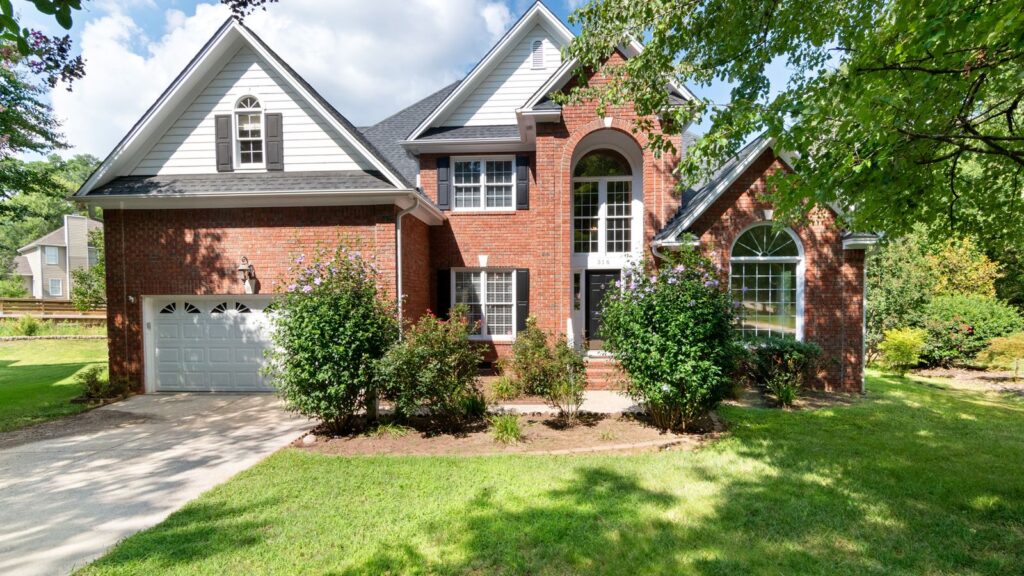
The rate is one line of your budget. The house is your whole day.
I talk to people in Lincoln every week who have been tracking interest rates like it’s a stock ticker. They can tell me what happened last Thursday. They cannot tell me how many minutes they lose every morning waiting for the one bathroom that works. One of those numbers is going to shape the next five years of their life, and it isn’t the one on the news.
Let’s think about how you actually live in a house day-to-day.
What the rate tells you, and what it doesn’t
Rates matter. I’m not going to pretend otherwise. They affect what you can borrow and what your payment looks like, and anyone who waves that off isn’t being straight with you.
But a rate is a single input. It doesn’t know your commute. It doesn’t know that your garage hasn’t held a car since the year you moved in. It doesn’t know that you’re paying for a storage unit because there’s nowhere to put the things you use twice a year. The rate is one line. Your house writes the rest of the page.
Waiting on a number you can’t control, while living in a layout that costs you something every single day, is not a strategy. It’s just waiting.
The monthly bill nobody puts on a spreadsheet
Here’s the part that gets skipped. Your current house is already charging you. Not on the mortgage statement, but it’s charging you.
- Time. The morning line at the bathroom. The second trip to the car because there’s no drop zone. The fifteen minutes spent moving laundry off the couch before anyone can sit down.
- Maintenance you keep deferring. The roof, the HVAC, the water heater that’s on borrowed time. Those still cost money, even if you haven’t paid them yet.
- Commute. If you’re driving in from further out than you want to be, that’s fuel, wear, and hours. If you’re in town but on the wrong side of it for work and activities, same math.
- The workarounds. Takeout because the kitchen has one usable counter and it’s a bottleneck at six o’clock. The coffee shop you go to because there’s nowhere quiet to take a call.
- Friction. Harder to put a number on, easy to feel. The house that’s technically fine but makes every ordinary evening slightly worse than it needs to be.
Add that up honestly and you’ll find you’re already paying a premium. It just doesn’t come with a statement.
Run the numbers on your actual Tuesday
Forget the headlines for ten minutes and look at a normal weekday. Where does it break down? What are you working around? What would a different floor plan actually fix?
Then compare. Not “old payment versus new payment” in a vacuum, but total monthly life. A shorter drive, a functional laundry room, a second bathroom, and mechanical systems you don’t have to think about are real line items. Sometimes the picture shifts more than people expect once they stop comparing one number to one number.
And sometimes it doesn’t, and the answer is to stay put for now. That’s a real answer too. I’d rather tell you that than talk you into a move that doesn’t hold up.
Timing the move without creating a mess
The second thing that keeps people frozen isn’t the rate. It’s logistics. Nobody wants to carry two homes or land in temporary housing between closings.
That’s the whole reason I build plans around buying before you sell. We get your current home prepped and positioned early, we understand your financing options before you’re under pressure, and we go find the right next house first. Once it’s secured, we move on your listing with real strategy behind it. You move once. There’s a way to do this without it turning into chaos.
Your house doesn’t have to be updated or staged out of a catalog to sell well. Lived-in homes across Lincoln, Waverly, Seward, Crete, and the smaller Southeast Nebraska towns sell every month on positioning and honest pricing. We’re not doing anything that puts you in a bad position.
Decide from your life, not the news cycle
Rates will keep moving. They moved before you started watching and they’ll move after you close. What won’t change on its own is a house that stopped fitting three years ago.
The people who get this right aren’t the ones who timed a number perfectly. They’re the ones who looked clearly at what their current house was costing them, mapped the move, and executed it on their own timeline.
You can refinance a rate. You cannot refinance a floor plan.
If your house technically works but doesn’t work for your life anymore, buying before you sell is the calmest way out: See how buy-before-you-sell works →