
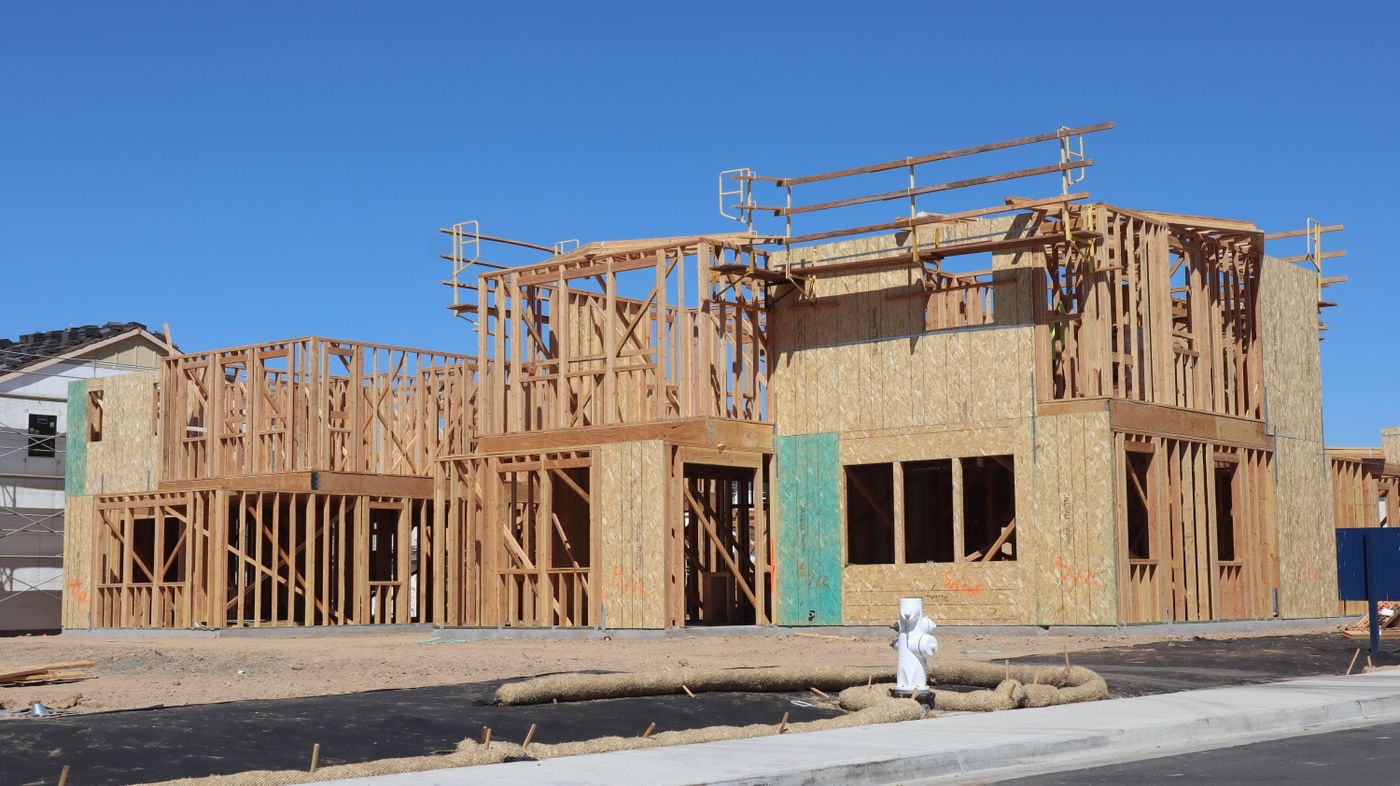
Building the house you plan to keep? Different rules apply.

A starter home is a five-year decision. The forever house is not. When you are choosing a floor plan you will still be living in when your kids come home from college, the design center stops being fun and starts being consequential. Here is how I work a build like that, starting with the one rule that catches almost everybody at the door.

24+ closed deals · Licensed since 2024 · Executive Certificate in Strategic Growth & Marketing · 15+ years in marketing

Register your agent on visit one, before you sign anything

The rule first, because it expires fast.

The person who greets you at the model home is a licensed agent working for the builder. Most Lincoln builders require you to register your own agent on your first visit, and they enforce it. Sign in alone and in a lot of communities you have just spent your representation on that entire neighborhood, permanently, before you ever picked a lot.

Bringing me almost never raises your price. The builder budgeted the commission before the model home opened, and walking in unrepresented does not hand you that money back. It just means the only person reading your contract works for the other side.

So tell me which communities are on your Saturday list. I register ahead of time, and nothing gets lost at the door.
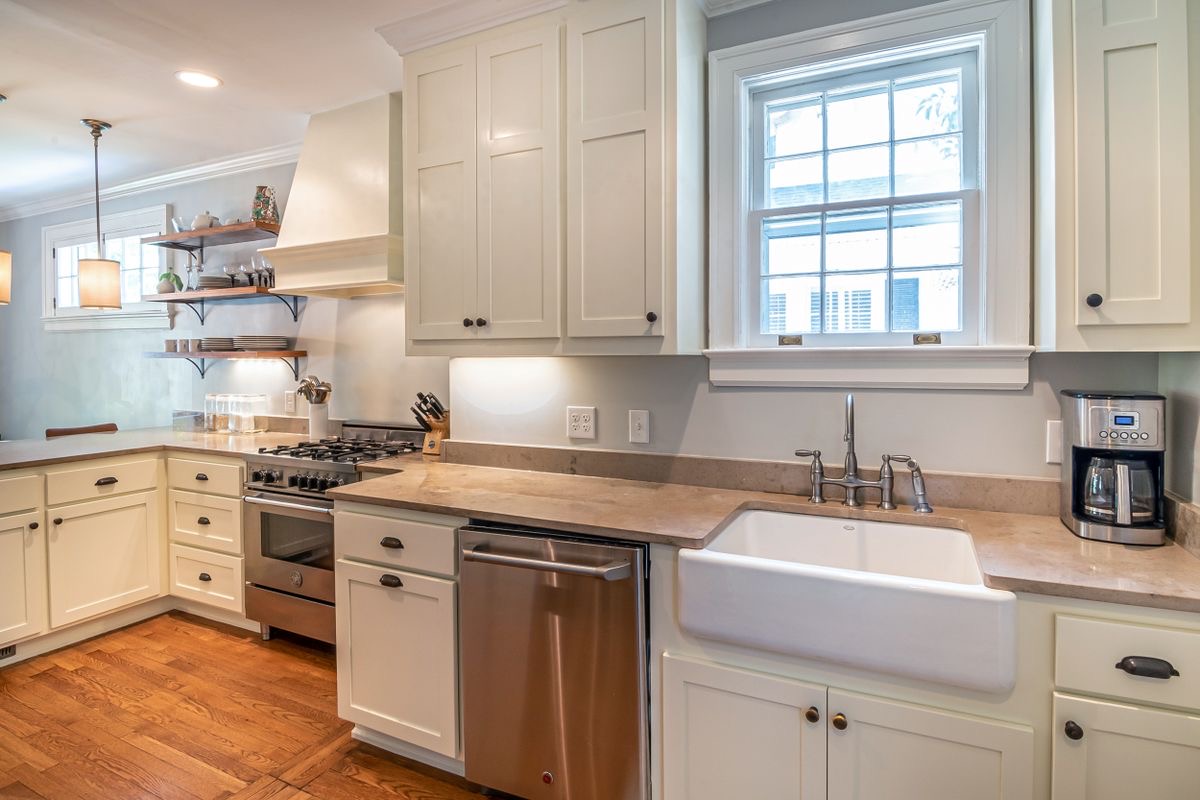
The design center is where forever-house money is won and lost

This is the part I care most about, and it is where my job differs most from a starter-home purchase.

You will sit down with a selection sheet and a long list of upgrades, each with a price next to it and none with a resale number next to it. Some of those line items you get back when you eventually sell. Some of them are money you will never see again, and a few actively date the house.

I spent 15 years in marketing and positioning before real estate, which is the lens I bring to that sheet: not just what this finish costs you today, but what it says to a buyer later, and whether it still reads as current in a decade. Structural choices, ceiling heights, window placement and anything behind drywall are the ones worth stretching for, because they are the ones you cannot add later. A lot of the visible upgrades can wait, and some of them you should do yourself for half the builder's allowance price.

When you plan to keep the house, the calculus changes again: you are buying for the life you will actually be living in it, not for a resale in year five. We work through that before the selections, not during.

The builder contract is not a form, and it is more negotiable than you think

I read the builder contract before you sign it. They are written by the builder's attorney and they are not the neutral document buyers assume.

The terms worth arguing about: allowance amounts and what happens when you exceed them, how change orders get priced once the build is underway, what remedy you actually have if the completion date slips, warranty scope and how long it runs, and what happens to your rate lock if the build runs long. That last one has gotten expensive for people who did not read it.

New does not mean flawless, either. The pre-closing walkthrough is the single greatest point of leverage you will ever have with a builder, and most buyers waste it because nobody told them what to look for. I hold it to a real standard and I put the list in writing.

Spec, semi-custom, or fully custom

Three very different experiences, and the right one depends on how much of your life you want to spend on this.

Spec. Already started or already finished. You buy what exists. Fastest, fewest decisions, least control over finishes. The right answer when your timeline is tight or the decision fatigue is real, and often the only new construction available on short notice.

Semi-custom on the builder's lot. You pick a plan from their catalog and make selections inside their option list. This is what most Lincoln production builders sell and it is the sweet spot for most families: genuine choice without running a construction project yourself.

Fully custom on your own lot. Your land, your architect or design-build firm, and a construction loan rather than a standard mortgage. The most control and the most exposure, in time, in decisions, and in cost escalation. Worth understanding the financing difference before you fall in love with an acreage.

Where you can still build in Lincoln, with real numbers

Most new construction pages are a builder list with no numbers on it. Our team built the opposite.

We pull the City of Lincoln's development approval records, three years of residential building permits, and the Lancaster County Assessor's parcel and sale records, then join them so you can see, development by development: how many approved lots are still unbuilt, how much building is actually happening there now, and what recently built homes truly sold for per finished square foot. Where the sample is too thin to mean anything, it says so instead of inventing a number.

See where you can still build in Lincoln, with lot counts and per-square-foot pricing from recorded sales.

One caution: you will see building permit valuations quoted elsewhere as neighborhood "prices." Those are construction cost with the lot excluded, so they read far below what a buyer actually pays. We do not publish them as prices.

The timing problem nobody owns

Almost everyone building a forever house already owns a house, and a build does not finish on the day you need it to.

That leaves you sequencing two moving targets: a completion date that can slip by months, and a sale you cannot start too early or you are renting, and cannot start too late or you are carrying two payments. Both timelines have to be held by one person who is watching them together. That is the forever house plan, and it is the part that goes sideways when nobody owns it.

If you are also weighing an existing higher-end home against building, that is a real comparison worth running rather than assuming. I will run it with you honestly, including the case for not building.

Tell me what you're looking for

No listing spam. A short list that actually fits, from an agent who knows Lincoln.

Common questions

Do I need my own realtor to buy new construction in Lincoln NE?

You want one. The agent at the builder's model home represents the builder, not you. Most builders also require you to register your own agent on your first visit, so walking in alone can forfeit representation for that entire community. Bringing your own agent generally does not raise your price, because the builder budgeted for it before the model home opened.

When do I have to tell the builder I have an agent?

On your first visit, before you sign in. Registration policies are typically first-visit and strictly enforced, and a call afterward usually will not fix it. Tell Amanda which model homes you plan to see and she registers with the builder ahead of time.

Which new construction upgrades are actually worth the money?

As a rule, anything structural or behind drywall: ceiling heights, window placement and sizing, framing changes, rough-ins, and lot position. Those cannot be added later at any sensible price. Many visible finishes can wait, and some cost noticeably less to do yourself after closing than to take as a builder allowance. When the house is one you plan to keep for decades, the balance shifts further toward the things you cannot change.

Is it better to build or buy an existing home for a house I plan to keep?

Neither wins automatically. Building buys you current code, a warranty, low near-term maintenance and a floor plan chosen for how you actually live, at a higher price per square foot and a timeline you do not fully control. An existing higher-end home usually costs less per foot and comes with established landscaping, mature neighborhoods and a known quantity, plus whatever deferred maintenance is hiding. For a forever house the deciding factor is usually the floor plan and the location, not the price per square foot.

What is negotiable in a Lincoln builder contract?

More than buyers assume. Allowance amounts and overage handling, change order pricing once the build is underway, remedies if the completion date slips, warranty scope and duration, and what happens to your rate lock if the build runs long. The contract is drafted by the builder's attorney, so anything favorable to the buyer has to be asked for.

How do I time selling my current house against finishing a build?

Carefully, and with one person holding both calendars. Completion dates slip, so listing too early means renting and listing too late means carrying two payments. Amanda plans the sale sequence against the construction schedule rather than reacting to it, which is the same plan behind a buy-before-you-sell move.

What is the difference between a spec home and a custom build?

A spec home is one the builder started or finished on their own, so you buy what exists and choose little. Semi-custom means picking a builder plan and making selections from their option list, which is what most Lincoln production builders offer. Fully custom means your own lot, your own plan, and a construction loan instead of a standard mortgage.

Can Amanda Davis help with new construction in Lincoln?

Yes. New construction is one of Amanda's two buy-side specialties, alongside higher-end homes, and she works with families buying the house they plan to keep: builder registration, contract review, upgrade decisions weighed against long-term value, the pre-closing walkthrough, and sequencing the build against the sale of the current home.

The Model Home Rule Nobody Tells You

What to say at the door, why walking in alone can cost you representation for the whole community, and a checklist to run before your first model home visit.

No spam and no calls you did not ask for. Just the guide, plus the occasional note when something in this market actually changes.

Going to see a model home?

Tell me which one before you go. Registering takes me a minute and it protects you for the whole community.

That's where I come in.