
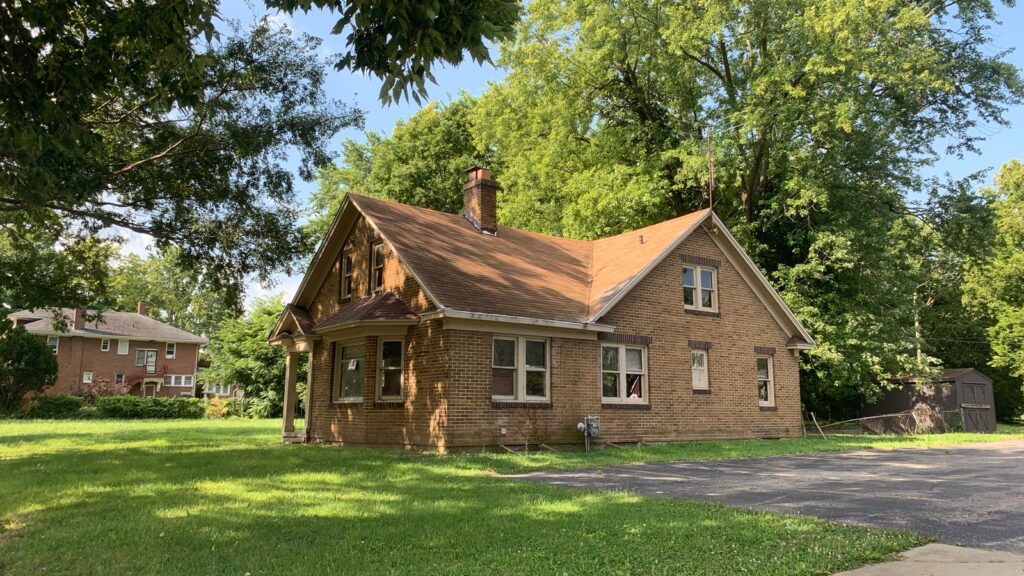
“Landlord” sounds passive. It is not.
It’s one of the most common forks I hit with people in Lincoln who are ready to move into a house that actually works for how they live. The one-bathroom morning line has worn everybody down, the laundry situation has taken over a hallway, and there’s no spot by the door for backpacks and shoes that isn’t also the spot for everything else. So you start looking. And somewhere in that process, someone at work or at a game says, “You should just keep your house and rent it out.”
Maybe. It’s a real strategy and I’ve seen it work well. I’ve also seen it quietly eat people alive. The difference is almost never luck. It’s whether the decision got made on purpose or made because selling felt scary.
First question: can you actually buy the next house while holding this one?
This is the gate. Everything else is a conversation you only get to have if you clear it.
When you keep your current home and finance another one, your lender is looking at both obligations. Most programs will let you count projected rent as income, but usually only a portion of it, and often only with documentation, an appraiser’s rent schedule, or a signed lease already in hand. Some situations require reserves in the bank on top of your down payment. Some require you to have landlord history before any of that rent counts at all.
Translation: the numbers in your head and the numbers your lender uses are frequently not the same numbers. Before you fall for a house in Waverly or start rearranging your whole plan around this idea, get a real answer from a lender about what holding the first home does to your buying power. Not a vibe. An answer.
I am not a lender or a CPA, and this is general education, not financial or tax advice. But I’ll tell you what I tell every client: find out what you qualify for under both scenarios before you pick one. Sometimes keeping it costs you so much buying power that the next house stops being an upgrade. That’s worth knowing in week one, not week nine.
The honest workload
Rental income shows up on a spreadsheet looking very calm. Real life is less calm.
- You are now on call. Furnace out in February in Nebraska is not a next-week problem. It’s a tonight problem.
- Vacancy is part of the plan, not a surprise. Between tenants you own two houses and one of them isn’t paying you anything.
- Turnover costs real work. Paint, carpet, cleaning, showings, screening, lease paperwork.
- Property management costs money and does not remove you from decisions. It removes you from phone calls.
- Emotional attachment is a liability. If you’ll be upset about scuffs on the wall you painted yourself, you’re not going to enjoy this.
- Taxes and insurance change when a house stops being owner occupied. Ask about that early.
None of that is a reason to say no. It’s a reason to say yes with your eyes open. Rental income is payment for work and risk. It isn’t money for nothing.
Who this move actually fits
In my experience it works best when several of these are true at once. The house is in solid mechanical shape, so you’re not inheriting a repair list on top of a new mortgage. You have cash set aside that is not your moving budget and not your emergency fund. The location rents steadily, which in our area can look very different in a Lincoln neighborhood near employment centers versus a small town like Crete, Seward, or Tecumseh where the tenant pool is thinner and vacancies last longer. You have a low, fixed housing payment on it that makes the math forgiving. And you genuinely want to own rental property, as opposed to just not wanting to deal with selling.
That last one matters more than people expect. Keeping a house because you can’t face prepping and listing it is a decision made by avoidance. It usually comes back around.
The other path, said plainly
Selling converts your equity into leverage for the next house. It gives you a stronger offer, a cleaner approval, and a simpler life. There’s no shame in choosing simple. Plenty of people who could have been landlords are much happier having one house, one payment, and their weekends back.
And you don’t have to choose between “list first and scramble” and “keep it forever.” We prep your current home quietly, get clear on what you qualify for either way, secure the next house, and then move on the first one with real positioning behind it. Move once. No temporary housing. We’re not doing anything that puts you in a bad position.
Let’s think about how you actually live in a house day to day, and then decide what the old one should become. Run the numbers before the emotions run you.
If your house technically works but doesn’t work for your life anymore, buying before you sell is the calmest way out: See how buy-before-you-sell works →