
The dining room has been a homework station for a decade. You’re allowed to want it back.
I say this to people all the time, and I watch their shoulders drop about an inch. Like they’ve been waiting for permission. Somewhere along the way, every room in the house got repurposed into whatever the day demanded. The office became a landing pad for laundry that never quite made it upstairs. The guest room turned into the place you shove things before company comes. And the dining table? It hasn’t seen a meal in months because it’s buried under science projects and permission slips.
Here’s the thing. This didn’t happen because you’re messy. It happened because the house ran out of dedicated spaces, so every room started doing three jobs at once. That’s a floor plan problem, not a you problem.
Rooms drift when they have no purpose
When a room doesn’t have a clear job, life fills it with whatever’s loudest that week. The formal dining room becomes storage because nothing else told it what to be. The bonus room becomes a dumping ground. The pattern repeats in house after house across Lincoln, and it’s not about square footage. It’s about whether the layout gives each space a reason to stay itself.
So before you start scrolling listings, I want you to build a different kind of search brief. Not bedrooms and bathrooms. Reclaimed spaces.
The rooms worth naming out loud
Let’s think about how you actually live in a house day-to-day. Here are the spaces my clients keep telling me they want back.
A dining room that hosts
Not a formal room that collects dust. A place where people actually sit down together. If you want holidays back, look for a dining space that connects to the kitchen without being swallowed by it. You want room for a table plus chairs that pull out without hitting a wall. Bonus points if it’s separate enough that it doesn’t have to double as command central.
An office with a door
This one matters more than people admit until they’ve lived without it. A nook at the top of the stairs is not an office. It’s a hallway with a laptop. If someone in your house works from home, takes calls, or just needs to close out the noise for an hour, look for a room with an actual door. A door changes everything. It’s the difference between working and being interrupted every ninety seconds.
A guest room that isn’t storage
You know the room. The one you apologize for when family visits from out of town. A real guest room stays a guest room because the house has other places for the overflow to live. That means storage that’s built in somewhere else, a closet that isn’t holding your seasonal chaos, and enough bedrooms that one doesn’t have to be sacrificed.
A drop zone by the door
Backpacks, shoes, keys, the mail you swear you’ll sort later. If there’s nowhere for that stuff to land, it lands on the dining table. Every time. Look for an entry with a little breathing room, a mudroom, or even a wide spot near the garage door where a bench and hooks can do their job.
How to read a floor plan so the rooms stay yours
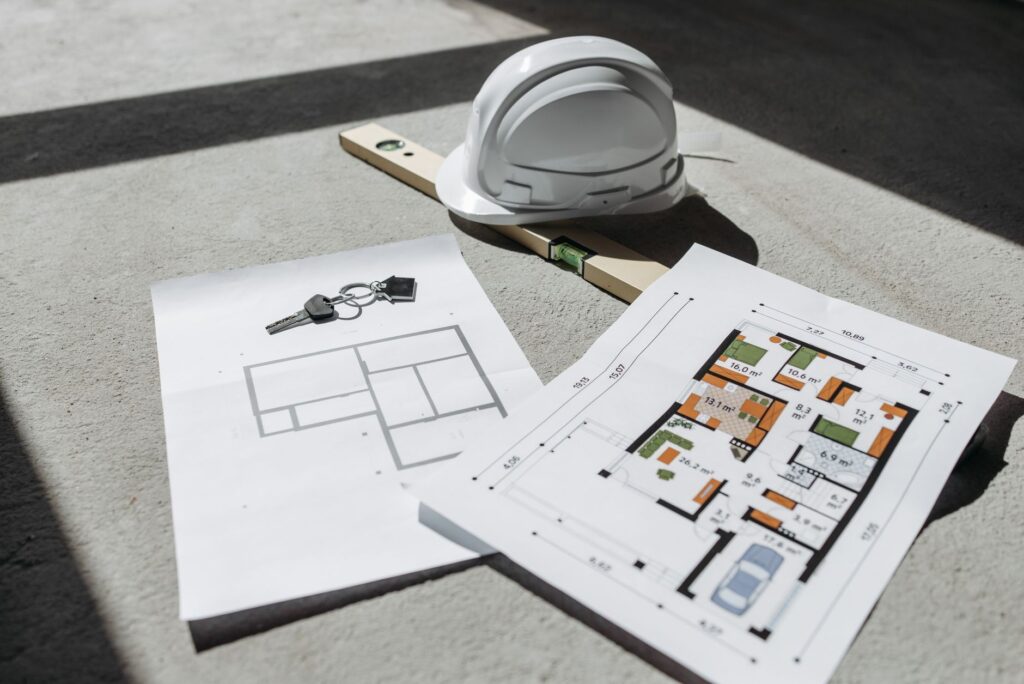
When you walk a home in Lincoln, Seward, Waverly, or anywhere across Southeast Nebraska, don’t just count rooms. Watch how they flow.
- Look for separation where you need quiet. Bedrooms and the office should be buffered from the loud parts of the house.
- Look for storage that isn’t a bedroom. If the only place to stash things is a spare room, that spare room will never be a guest room.
- Look for a landing spot near every entrance. Where does the daily stuff go the second you walk in? If the answer is unclear, you already know where it ends up.
- Count the rooms that can do one job well. A house with three rooms trying to do six jobs feels tighter than a house with six rooms each doing one.
This is the part people skip
Most folks start their search with a number of bedrooms and a general area, then wonder why the homes all feel the same kind of tight they’re already living in. The reason is the brief was built around size instead of function. When you search for reclaimed rooms instead of raw square footage, you find homes that actually fix the friction.
And here’s the part I care about most. You can go looking for the next home first, get a real plan in place, and never end up carrying two houses or living out of boxes in a rental. There’s a way to do this without it turning into chaos. We map the timing, prep your current home so it’s ready to move when you are, and line the pieces up so you move once.
You’ve spent a decade lending your rooms out to everyone else’s needs. It’s time to get them back.
If your house technically works but doesn’t work for your life anymore, buying before you sell is the calmest way out: See how buy-before-you-sell works →