
Staying put feels like the no-cost option. It isn’t.
Moving has a cost you can see. Staying has a cost you pay in pieces, spread out over years, in ways nobody ever adds up. That’s exactly why it feels like the safe choice. It’s quiet. Nobody hands you an invoice for it.
I work with households all over Lincoln and Southeast Nebraska who have been saying “maybe next year” about the same house for four years running. They’re not in crisis. That’s the whole problem. The friction is low enough to tolerate and high enough to wear on everybody. So let’s actually itemize what staying costs, because once you see it written down, the math stops being invisible.
The storage unit that quietly became a second address
It started as a temporary thing. Holiday bins, the good dishes, the furniture from the basement remodel. Then it became the place where things go to live permanently, and you pay for it every single month without ever opening the door.
Storage isn’t the villain. Storage is a symptom. It means your house stopped holding your life a while ago, and instead of solving it, you rented an extension. Same with the garage that hasn’t parked a car since 2022. You didn’t lose the storage, you just relocated it somewhere less convenient and started paying rent on it.
The stuff you bought because there was no room for the real fix
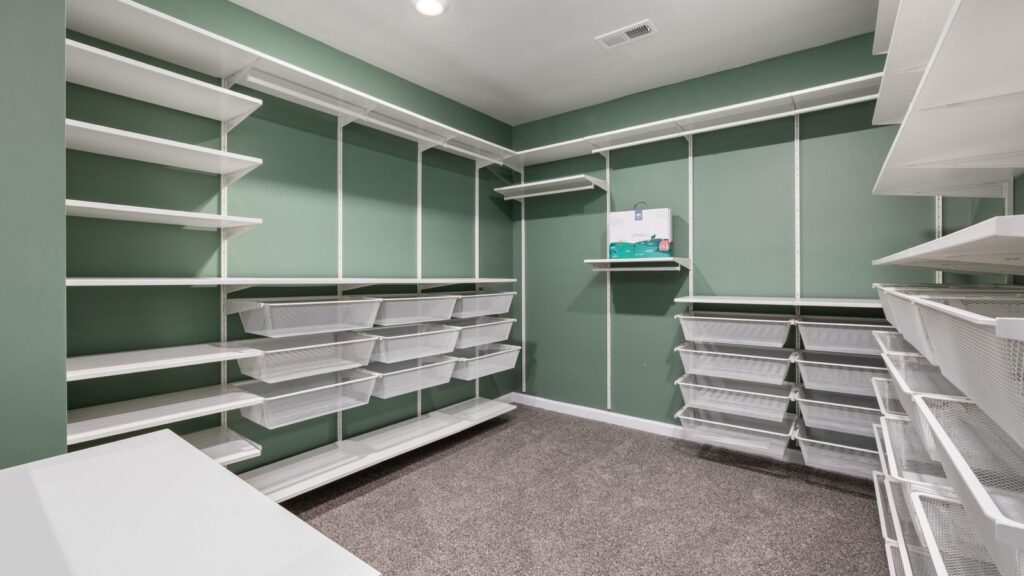
This one is sneaky. When a house doesn’t function, you buy your way around it. Closet organizers. The second fridge. Bunk beds nobody loves. A shed. Over-door hooks in every single room. The rolling cart that was going to fix the entryway situation and is now a permanent piece of furniture in the middle of your entryway situation.
None of it was wasteful in the moment. Every purchase was a reasonable response to a real annoyance. But stack up a few years of small workarounds and you’ve spent meaningful money renovating around a layout problem instead of solving it. Let’s think about how you actually live in a house day-to-day. If the answer involves seven organizational systems and it still doesn’t work, the system isn’t the issue.
The friction tax
This is the cost people feel the most and count the least, because it doesn’t show up anywhere except in everyone’s mood.
- The morning bathroom line. One bathroom, multiple humans, everybody on a different schedule, and a standing negotiation before 7 a.m.
- No drop zone. Backpacks, shoes, gym bags, mail, and sports gear all landing on the same four feet of floor inside the door.
- Laundry everywhere. Not in a room. On the stairs, on the couch, in a basket that lives in the hallway now.
- No door to close. Someone needs to take a call, someone needs to do homework, someone needs ten minutes alone, and there is nowhere to go.
Friction doesn’t bankrupt you. It just makes everyone slightly worse at being around each other, every day, forever. That’s a real cost even though it never appears on a statement.
The equity move you keep postponing
Here’s the strategic piece. Your current home has been doing work for you. That value isn’t doing anything useful while it sits there. Waiting doesn’t automatically grow it faster than moving would, and waiting definitely doesn’t shorten the runway on the loan you’re already paying down.
Meanwhile the years you’d actually enjoy the better layout are the years currently being spent in the worse one. You can’t buy those back later. That’s the part people skip when they say they’ll wait for a better time.
What changing it actually looks like
The reason most people stay isn’t that they love the house. It’s that the alternative sounds like chaos. Sell first and you’re scrambling for somewhere to live. Buy first and you’re terrified of paying for two homes. Both versions sound awful, so you stay.
There’s a way to do this without it turning into chaos. Buy before you sell means we get your current home genuinely ready to go while we look, so the second the right next house shows up, we can move on it and bring your listing to market with real positioning behind it. You go from your house to your next house. One move. No temporary rental, no storing your entire life twice.
And no, your house does not need to be updated to the studs first. Lived-in homes sell well when they’re priced and positioned honestly. We’re not doing anything that puts you in a bad position.
The honest part
Sometimes the answer is that staying makes sense for another year. If that’s the call, fine. Make it on purpose, with the real costs in front of you, instead of by default because the process felt overwhelming.
If you want to see what the timing would look like for your situation, schedule a quick call and we’ll map it out. No listing, no pressure, just a plan.
Staying has a cost. It’s just billed quietly.
If your house technically works but doesn’t work for your life anymore, buying before you sell is the calmest way out: See how buy-before-you-sell works →